
Build Real Financial Control Through Accountability
Most people don't fail at money because they lack knowledge. They fail because they lack a system that keeps them honest with themselves. We teach practical accountability methods that actually work in daily life.
Explore Our Approach
What Drives Everything We Do
These aren't just words on a wall. They're the principles we return to when making decisions about how we teach and who we work with.
Honest Numbers
We start with where you actually are, not where you wish you were. Real progress begins when you stop hiding from your bank statements and start tracking what's really happening.
Daily Practice
Financial health isn't built in weekend workshops. It's built through small, consistent actions repeated until they become second nature. We focus on habits that stick around.
Feedback Loops
You can't improve what you don't measure. Our methods revolve around creating simple feedback systems that show you what's working and what needs adjustment before problems snowball.

What Changes When You Have a System
A good accountability framework doesn't just help you spend less. It changes how you think about money entirely. People who complete our programmes often tell us they feel like they've finally stopped fighting against their finances and started working with them.
- You'll know exactly where your money goes each week without obsessive tracking
- Unexpected expenses won't derail your entire month anymore
- You'll make faster decisions about purchases because your priorities become clear
- The guilt around spending on things you value starts to fade
How We Actually Teach This Stuff
We've tried a lot of different approaches over the years. These four methods have proven most effective for helping people build lasting financial accountability without turning it into a part-time job.
Weekly Money Meetings
Spending 20 minutes each week reviewing your numbers sounds simple because it is. But consistency matters more than complexity. We'll show you exactly what to look at and what questions to ask yourself during these check-ins.
The Three-Day Rule
Impulse purchases kill more budgets than rent increases. This straightforward waiting period helps you distinguish between things you genuinely need and things that just looked appealing in the moment. Simple delay, powerful impact.
Accountability Partners
Having someone else aware of your financial commitments makes following through significantly easier. Not a judgmental overseer, but someone who understands your goals and checks in occasionally to see how things are progressing.
Reality Tracking
Most budgeting fails because people base plans on how they think they should spend, not how they actually do. We teach a tracking method that captures reality first, then builds improvement from there rather than starting with fantasy budgets.
Programme Investment Options
Our autumn 2025 intake opens in March. Choose the level of support that matches where you are and what you need to build sustainable financial accountability.
Foundation
- Core accountability framework training
- Weekly email lessons and exercises
- Digital workbook and templates
- Community forum access
- Monthly group Q&A sessions
Guided Practice
- Everything in Foundation
- Bi-weekly small group coaching calls
- Personalized feedback on your progress
- Extended community access
- Bonus accountability partner matching
One-on-One
- All Guided Practice features
- Weekly private coaching sessions
- Custom accountability system design
- Direct messaging support
- Quarterly follow-up check-ins
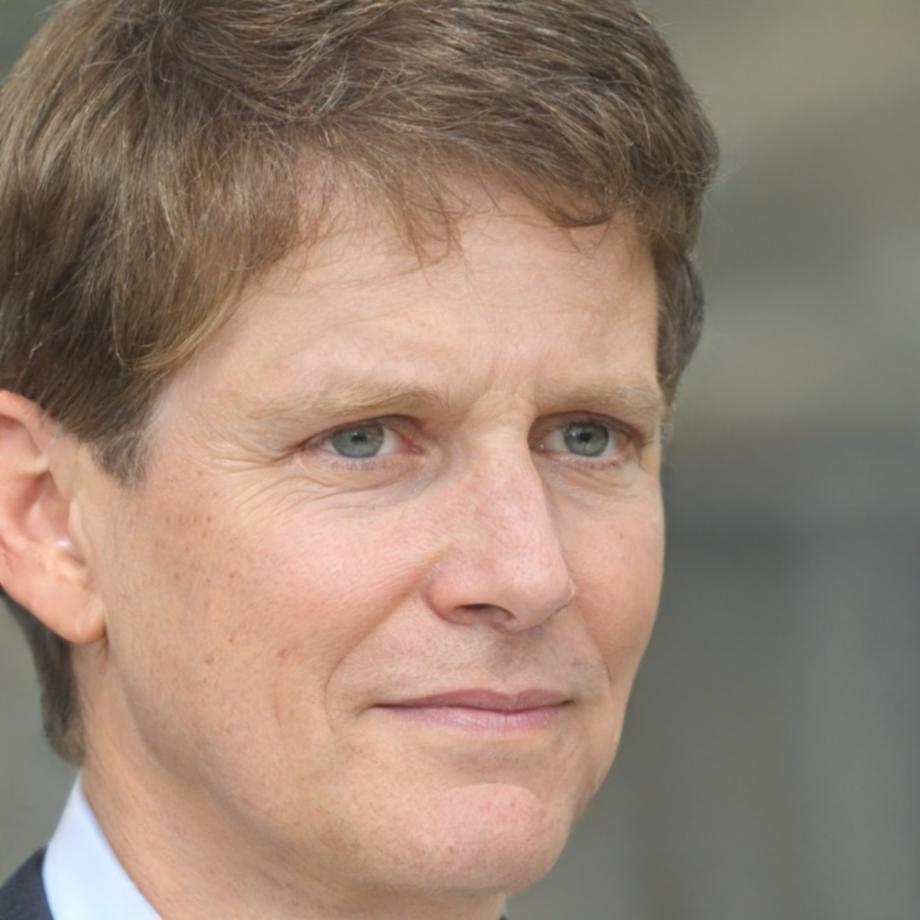
Real Experience From Someone Who's Been There
I'd tried budgeting apps, spreadsheets, even cash envelopes. Nothing stuck longer than a few weeks. What finally worked was having a simple system that didn't require perfection and someone checking in to make sure I actually followed through. Six months later, I'm still using the same methods and my savings account isn't empty by the 15th anymore.
Ready to Stop Winging It With Your Finances?
Our next programme cohort begins in March 2025. Spaces are limited because effective accountability requires manageable group sizes. If you're tired of knowing what you should do but not actually doing it, let's talk about whether our approach fits your situation.
Start a Conversation